
Molecular electronics represents a transformative frontier in science, where individual molecules serve as the foundational components for electronic devices. By harnessing the unique properties of molecules, molecular electronics offers unprecedented potential for creating smaller, faster, and more efficient electronics, enabling revolutionary advancements in multiple industries. This blog will dive into the world of molecular electronics, exploring key concepts, applications, challenges, and future possibilities, with a particular focus on molecular transistors.
Introduction to Molecular Electronics
Molecular electronics is a branch of electronics that focuses on the use of molecules to create electronic components. What is molecular electronics? At its core, it involves manipulating the electronic properties of individual molecules or molecular systems to develop devices that function as traditional electronic components like transistors, diodes, and memory storage devices. Instead of relying on semiconductors made from silicon, Nanoelectronics leverages the behavior of molecular structures to create circuits that operate on an incredibly small scale.
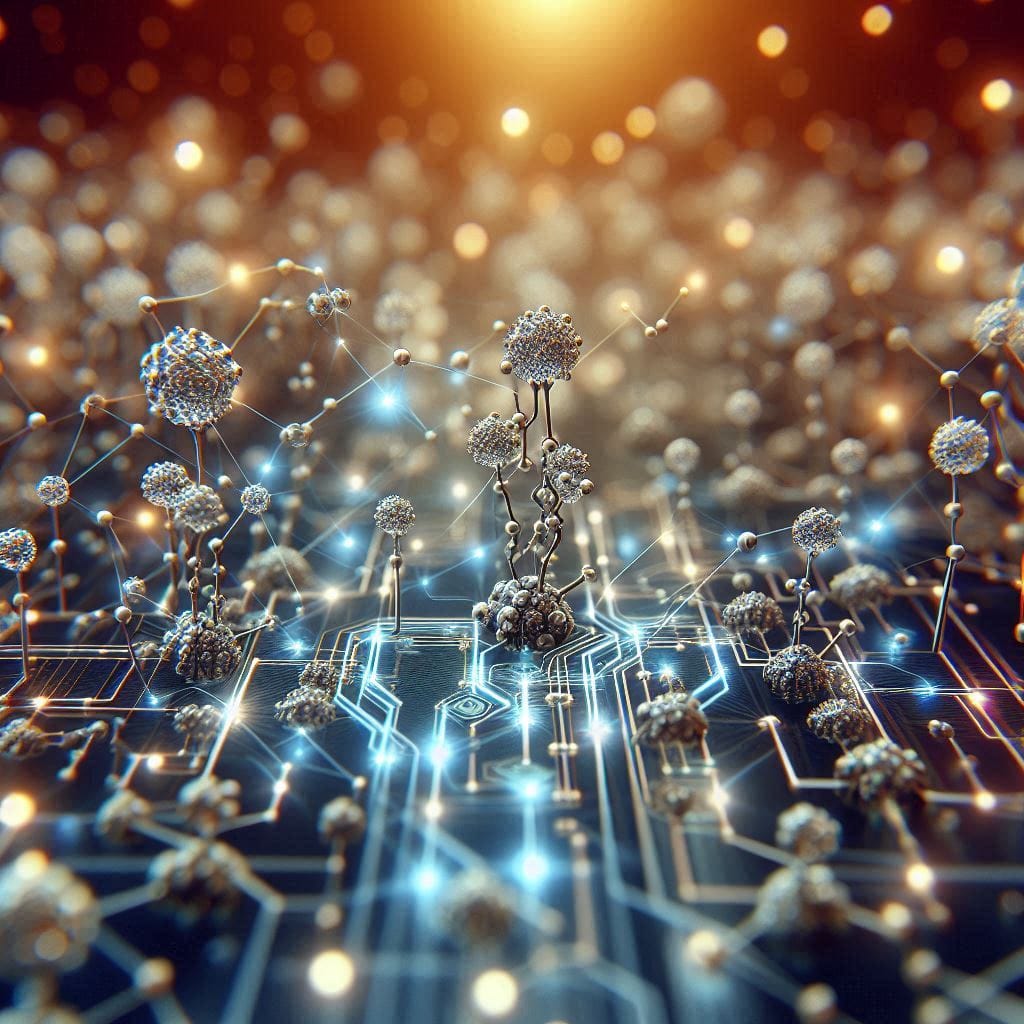
Introduction to molecular electronics goes back to the 1970s when researchers first speculated about the possibility of using individual molecules as switches and conductors in circuits. This marked the beginning of a shift away from traditional semiconductor technology, which faced limitations in further miniaturization. Nanoelectronics offers a promising alternative by exploiting the quantum mechanical properties of molecules, opening the door to unprecedented levels of miniaturization and enhanced performance.
One of the most exciting aspects of molecular conductors is its potential for creating molecular transistors—tiny switches that could drastically reduce the size and power consumption of electronic devices. Other areas of exploration include molecular switches, memory storage devices, and molecular-scale energy harvesters. These advancements are poised to revolutionize fields ranging from consumer electronics to biotechnology, as researchers continue to refine their understanding of molecular structures and their applications in practical electronics.
The Science Behind Molecular Electronics
At the heart of molecular electronics is quantum mechanics, which governs the behavior of particles at the molecular and atomic scale. Unlike traditional electronics, where the movement of electrons can be described by classical physics, Nanoelectronics depends on quantum phenomena such as electron tunneling and molecular orbital interactions.
One of the fundamental principles behind Nanoelectronics is the ability of certain molecules to conduct or resist electrical current. This behavior is determined by the arrangement of the molecule’s orbitals—regions around the nucleus where electrons are likely to be found. Molecular orbitals can combine with other molecules or atoms to form extended conductive pathways, allowing for the flow of current through single molecules or molecular junctions.
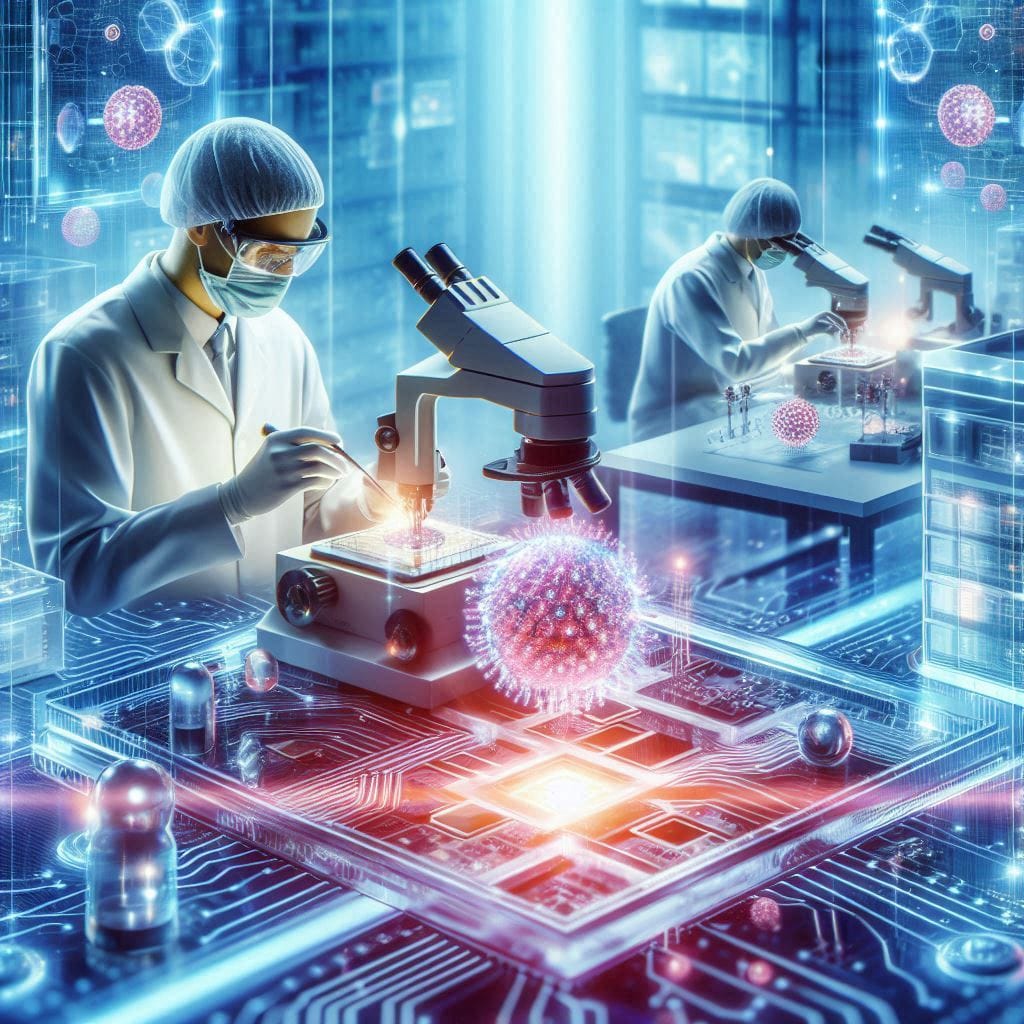
In addition to conductivity, molecular electronics rely on the concept of electron tunneling, where electrons move between two points without crossing the physical barrier separating them. This quantum mechanical phenomenon enables molecular-scale components to act as on-off switches, making them suitable for use in devices like molecular transistors.
Despite its potential, molecular electronics faces several challenges. For instance, maintaining stability at the molecular scale is difficult, as individual molecules can be affected by environmental factors such as temperature, pressure, and electromagnetic interference. Researchers are also working to overcome fabrication challenges, as building and maintaining reliable molecular-scale circuits is far more complex than traditional semiconductor-based processes.
Applications of Molecular Electronics
The application of molecular electronics spans a wide range of industries, with the potential to dramatically alter how we design and use technology. As molecular components are integrated into electronic systems, their unique properties allow for innovations that were previously unattainable with traditional silicon-based technologies. Here are some of the most promising Nanoelectronics applications:
Nanoelectronics:
As the demand for smaller, faster, and more efficient electronic devices grows, molecular electronics offers a groundbreaking solution. Nanoelectronics, already dealing with the manipulation of structures on a nanoscale, could significantly benefit from the integration of molecular components. Devices based on molecular-scale transistors, switches, and memory units could drive ultra-miniaturization in industries such as computing, telecommunications, and consumer electronics. This could lead to the development of smaller, more powerful chips, enabling faster processing speeds and lower power consumption. As Molecular conductors continue to evolve, they could potentially overcome the physical limits of traditional semiconductors, opening the door to next-generation quantum computing and ultra-high-speed processors.
Sensors:
Molecular-scale sensors are at the forefront of innovations in detection technology. These sensors can detect minute changes in their environment, such as chemical, biological, or physical stimuli, with extreme precision. This makes them ideal for applications in environmental monitoring, medical diagnostics, and smart materials. In environmental science, molecular sensors can be used to detect pollutants or toxins at extremely low concentrations, enhancing our ability to monitor air and water quality. In medical diagnostics, biosensors based on molecular electronics can identify biomarkers for diseases like cancer or infections at early stages, revolutionizing how we approach preventive healthcare. Additionally, these sensors can be embedded in smart materials, enabling them to respond to environmental changes in real time, such as in climate-responsive buildings or adaptive clothing.
Energy Storage:
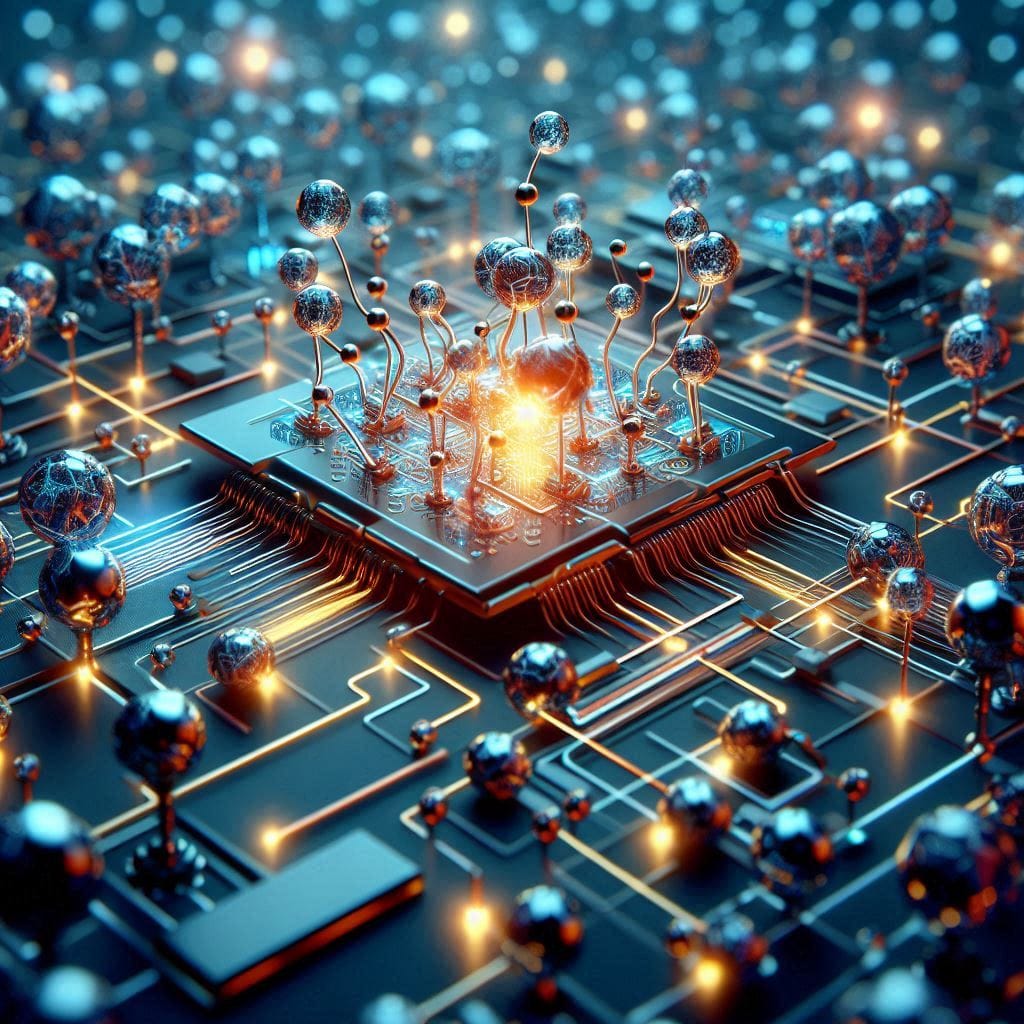
Molecular electronics has the potential to revolutionize energy storage systems by making them more efficient and compact. Researchers are exploring the use of molecular-scale capacitors and batteries to reduce the size of energy storage devices without sacrificing performance. These molecular components could lead to the development of next-generation batteries that power smaller, more portable electronics, including smartphones, wearable devices, and medical implants. Molecular capacitors, which can store and discharge electrical energy at the molecular level, could dramatically increase the energy density of power sources, extending battery life while minimizing environmental impact. As renewable energy technologies expand, Nanoelectronics could also play a pivotal role in the development of more efficient, lightweight solar cells and energy-harvesting devices, enabling the storage of clean energy in increasingly smaller forms.
Biotechnology:
In the medical field, molecular electronics is driving significant advancements in biotechnology by enabling the creation of biocompatible, molecular-scale devices. These