Introduction — Why the Connectome Matters
For centuries, scientists have tried to understand the human brain by studying individual neurons, brain regions, and electrical signals. But the brain does not function in isolation — it works as a vast, interconnected network. This realization gave rise to the concept of the connectome, a comprehensive map of all neural connections in the brain.
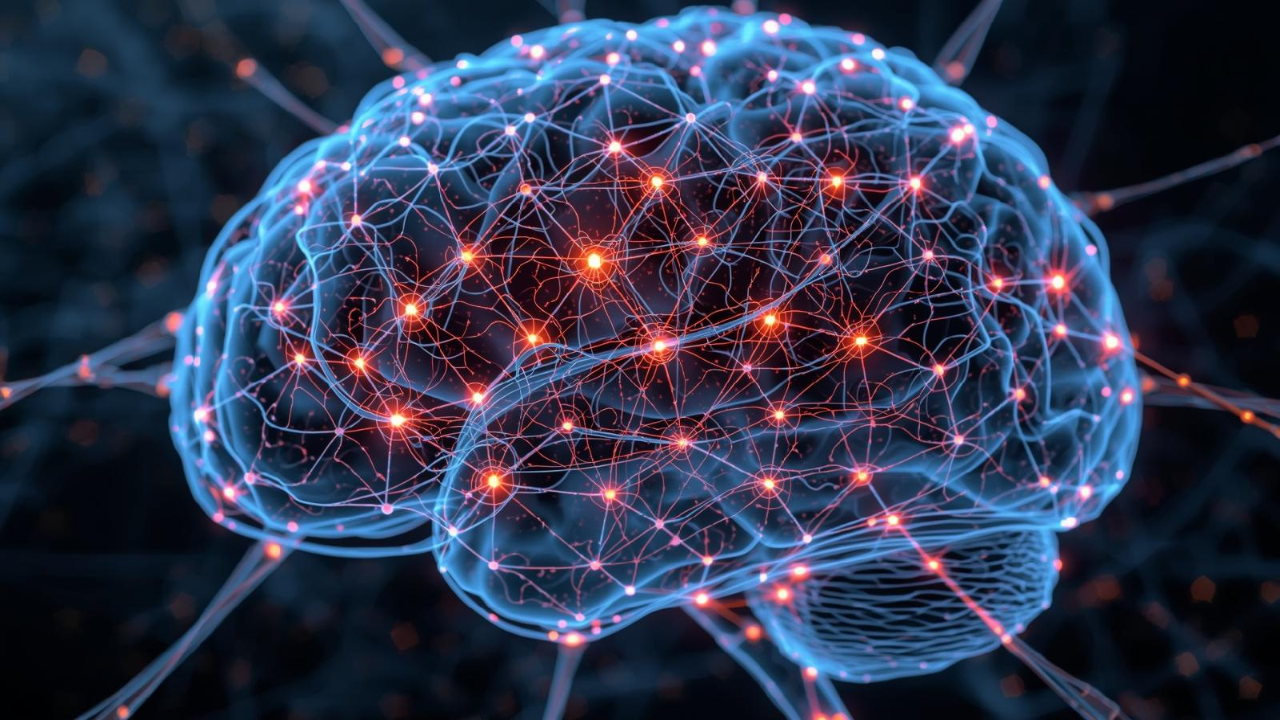
A connectome is essentially a wiring diagram of the brain — a detailed map showing how billions of neurons are connected through trillions of synapses. Just as roads connect cities, neural pathways connect brain regions, enabling thought, memory, emotion, and consciousness. Mapping these connections has become one of the most ambitious goals in modern neuroscience and a core focus of connectome mapping technology.
The ambition behind mapping the brain’s connections is often compared to the Human Genome Project. While the Genome Project decoded the biological blueprint of life by mapping our DNA, the connectome aims to decode how the brain actually works. If genes explain what we are made of, neural connections explain how we think, learn, and behave. In scale, complexity, and scientific impact, mapping the connectome rivals — and in some ways exceeds — the challenge of sequencing the human genome.
This vision has now evolved into Human Connectome 2.0, a new frontier in brain science. Unlike earlier efforts that focused on large-scale brain pathways, Human Connectome 2.0 aims to push connectome mapping technology to unprecedented resolution — potentially down to individual synapses. By combining artificial intelligence, ultra-high-resolution imaging, and emerging sensing technologies, researchers hope to move beyond static brain maps and toward a deeper, functional understanding of the human mind.
In essence, Human Connectome 2.0 represents the next great leap in neuroscience — one that could transform medicine, artificial intelligence, and our understanding of consciousness itself.
What Was the Original Human Connectome Project?
The Human Connectome Project (HCP) was launched in the early 2010s as a landmark neuroscience initiative aimed at mapping the brain’s structural and functional connections in unprecedented detail. Funded and supported by institutions such as the National Institute of Mental Health (NIMH), the project sought to create a foundational reference map of how different regions of the human brain are connected.
The primary goal of the Human Connectome Project was to map macroscale neural connections — large-scale pathways linking major brain regions. Instead of focusing on individual neurons, researchers examined how entire networks communicate, forming the basis of cognition, behavior, and sensory processing. This large-scale approach helped establish the fundamental connectome basics that modern neuroscience relies on today.
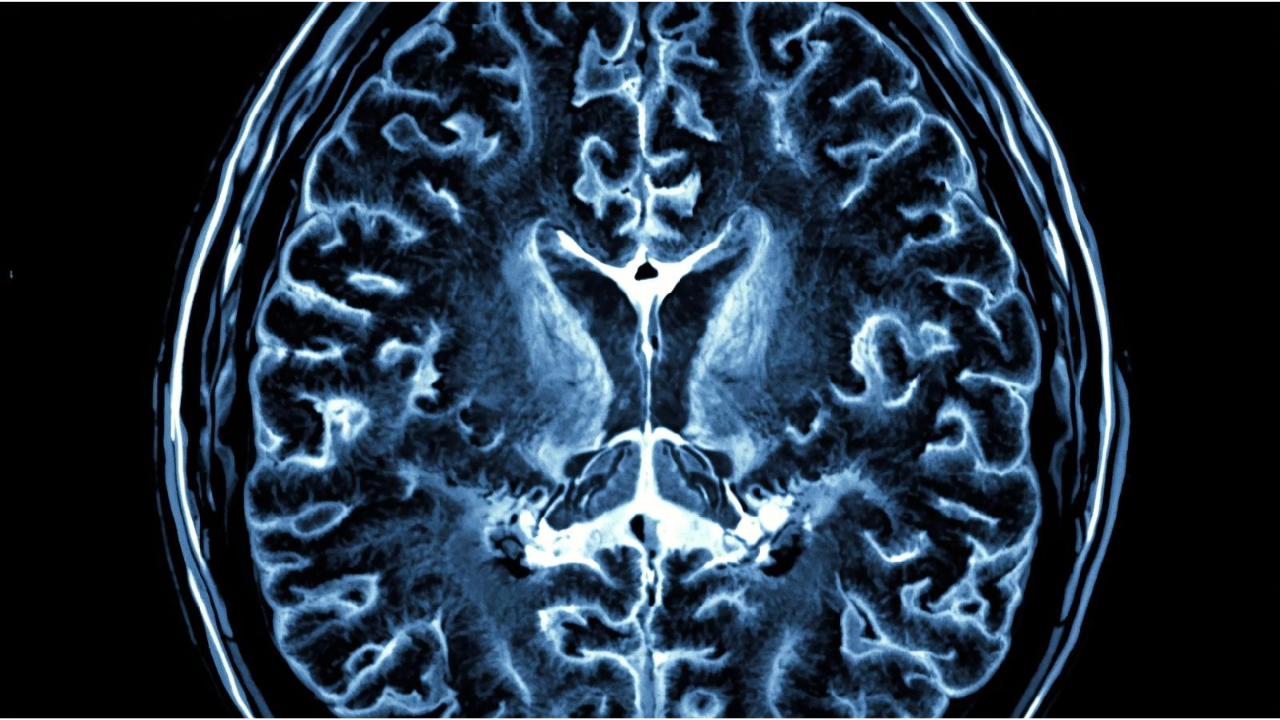
What made the Human Connectome Project revolutionary was its integration of multiple advanced technologies. Researchers combined cutting-edge MRI techniques with detailed demographic, behavioral, and genetic data. Advanced brain imaging methods allowed scientists to observe both the physical wiring of the brain and its functional activity in real time. By correlating these neural patterns with genetics and behavioral traits, the project significantly deepened our understanding of how brain structure relates to human behavior and mental health.
Importantly, the Human Connectome Project did more than create brain maps — it established new standards for data quality, open science, and large-scale collaboration. The massive datasets generated by the project are still used by researchers worldwide, serving as a critical foundation for modern connectome mapping technology.
Most crucially, the HCP paved the way for next-generation brain mapping efforts. Its limitations — such as resolution constraints and an inability to map individual synapses — highlighted the need for more advanced tools. These gaps directly inspired the emergence of Human Connectome 2.0, which builds upon the original project’s successes while pushing the boundaries of what connectome science can achieve.
In many ways, the original Human Connectome Project was the proof of concept — and Human Connectome 2.0 is the bold attempt to complete the picture.
What Is Connectome 2.0?
Human Connectome 2.0 represents the next major leap in humanity’s effort to map the brain. While the original Human Connectome Project focused on large-scale neural highways connecting major brain regions, Connectome 2.0 aims to go far deeper — toward the microscopic architecture of the brain itself.
At its core, Human Connectome 2.0 is about pushing connectome mapping technology beyond macroscale connections and into the realm of cellular and microstructural resolution. Instead of asking which brain regions are connected, researchers are now asking how individual neural circuits are organized, modified, and synchronized at fine spatial scales.
One of the major drivers of this leap is the development of advanced MRI scanners specifically engineered to capture finer structural details of the brain. According to research highlighted in Nature, next-generation MRI systems use ultra-strong gradients, improved signal-to-noise ratios, and novel acquisition techniques to reveal brain microstructure that was previously invisible. These scanners allow scientists to study neural fibers, cortical layers, and microcircuits with unprecedented clarity — without invasive procedures.
Beyond hardware, Human Connectome 2.0 shifts the scientific focus itself. Instead of stopping at macroscale pathways, researchers now aim to map neural circuits at cellular and microstructural levels, as discussed extensively in neuroscience literature indexed on PubMed. This includes studying how clusters of neurons interact, how synaptic patterns form, and how subtle structural differences influence cognition and behavior.
In essence, Connectome 2.0 is not just a more detailed brain map — it is a conceptual upgrade. By combining advanced imaging, computational modeling, and large-scale data integration, Human Connectome 2.0 transforms connectome mapping technology from a static wiring diagram into a dynamic, multi-layered model of the living brain.
How Cutting-Edge Technologies Are Making It Possible
Mapping the brain at this level of detail would be impossible using traditional tools alone. The rise of Human Connectome 2.0 is tightly linked to breakthroughs in artificial intelligence, data science, and emerging sensing technologies.
AI in Brain Mapping
Modern brain mapping generates enormous datasets — far beyond what human researchers can analyze manually. A single high-resolution brain scan can contain terabytes of complex structural and functional information. This is where AI in brain mapping becomes indispensable.
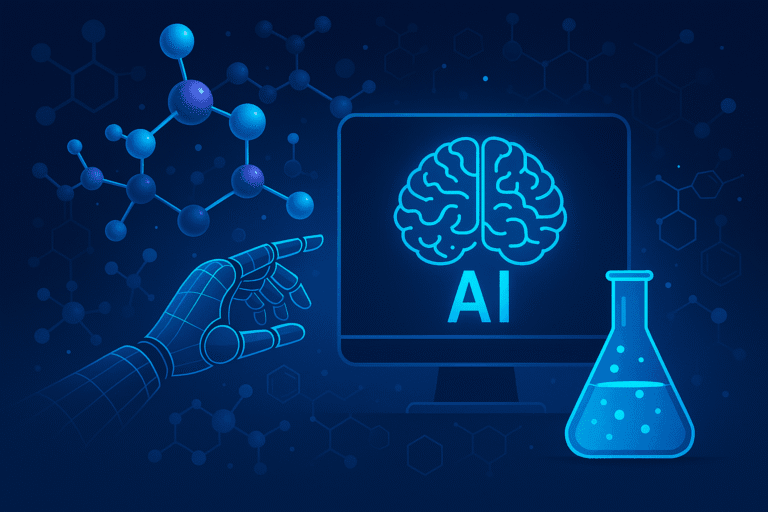
Artificial intelligence algorithms, particularly deep learning and neural networks, are trained to detect patterns within vast brain datasets. These models can automatically identify neural pathways, classify brain regions, and trace connections between neurons with speed and consistency that humans simply cannot match. AI in brain mapping allows researchers to process thousands of brain scans simultaneously, accelerating discoveries that would otherwise take decades.
Some AI models are now capable of inferring connections between synapses and microcircuits, even when direct observation is limited. By learning from known neural structures, these systems can predict missing or obscured connections, helping scientists build more complete connectome models. This is especially critical for Human Connectome 2.0, where the goal is not just mapping structure but understanding functional organization.
The impact of AI in brain mapping goes beyond speed. AI reduces human bias, improves map accuracy, and enables reproducible results across studies. Without AI, the complexity of connectome mapping technology at this scale would make Human Connectome 2.0 practically impossible.
Quantum Sensors & Brain Imaging
Another emerging pillar of next-generation brain mapping is the use of quantum sensors in neuroscience. Although still in early research stages, quantum sensing technologies promise a dramatic improvement in how neural signals are detected and measured.
At a conceptual level, quantum sensors exploit quantum properties of matter to measure extremely weak magnetic fields with extraordinary precision. The human brain produces tiny magnetic signals when neurons fire — signals that are often drowned out by noise in conventional imaging systems. Quantum sensors in neuroscience offer far greater sensitivity than traditional detectors, making it possible to capture subtle neural activity that was previously undetectable.
If successfully integrated into brain imaging systems, quantum sensors could significantly enhance neural signal detection without requiring stronger magnetic fields or invasive techniques. This would complement existing connectome mapping technology by providing richer functional data alongside structural maps.
For Human Connectome 2.0, the potential impact is enormous. Quantum-enhanced brain imaging could allow researchers to observe neural communication in real time, across finer spatial scales, and with greater accuracy than ever before. While still experimental, quantum sensors in neuroscience may become a key enabler of ultra-detailed connectome models in the future.
Together, AI in brain mapping and quantum sensing technologies form the technological backbone of Human Connectome 2.0 — transforming an ambitious scientific vision into a rapidly advancing reality.
What “Every Synapse” Really Means
When scientists talk about mapping “every synapse,” they are referring to the smallest functional connection in the brain. A synapse is the tiny junction where one neuron communicates with another using electrical and chemical signals. While the human brain contains roughly 86 billion neurons, the number of synapses is vastly larger — estimated in the hundreds of trillions.
This is where the true challenge of connectome mapping technology becomes clear. Mapping large brain regions is like charting highways between cities. Mapping every synapse, however, is like documenting every street, alley, doorway, and footpath in the entire world — simultaneously. The scale increases exponentially, not linearly.
Unlike macroscale neural connections, synapses are:
- Microscopic in size
- Highly dense and overlapping
- Dynamic, constantly changing with learning and experience
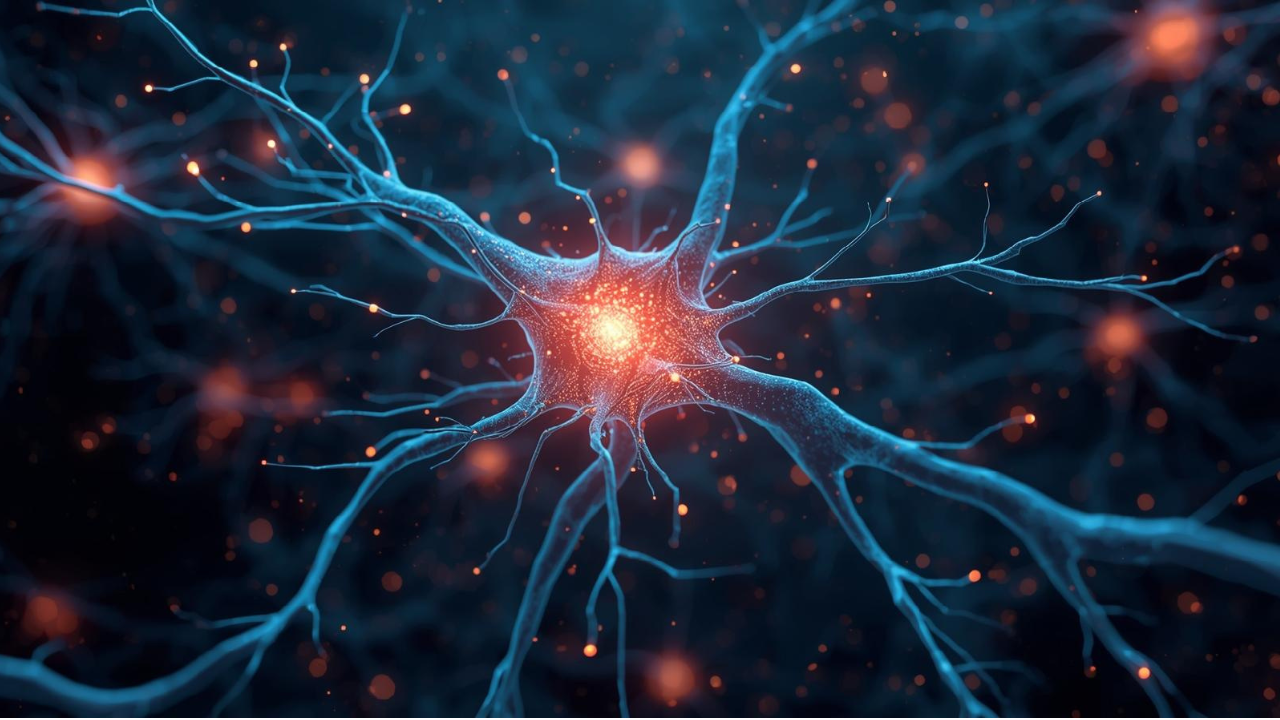
This makes complete synaptic mapping far more difficult than the goals of the original Human Connectome Project. While earlier efforts captured broad connectivity patterns, they could not resolve the fine-grained structure of individual neural circuits. At that level, traditional imaging methods simply lacked the resolution and computational power needed.
Modern connectome mapping technology is beginning to close this gap. Ultra-high-resolution imaging systems can now capture microstructural details of neural tissue, while advanced AI models help interpret this overwhelming volume of data. Artificial intelligence plays a crucial role by identifying recurring patterns, filtering noise, and reconstructing probable synaptic pathways that would otherwise be impossible to trace manually.
By combining ultra-precise imaging with intelligent data analysis, researchers are moving beyond static brain maps toward a deeper understanding of how neural circuits actually function. This shift is central to Human Connectome 2.0, where mapping “every synapse” is not just about detail — it’s about unlocking how thought, memory, and behavior emerge from interconnected neural networks.
Tools of the Trade
Achieving the goals of Human Connectome 2.0 requires a new generation of scientific tools designed to push the limits of brain imaging and data analysis. These tools form the backbone of modern connectome mapping technology, enabling researchers to study the brain at unprecedented levels of detail.
Advanced MRI Scanners
Next-generation MRI scanners represent a major technological leap in brain imaging. Unlike conventional MRI systems, these advanced scanners use high-gradient magnetic fields that allow scientists to detect much finer structural differences within brain tissue. In simple terms, stronger and faster gradients make it possible to “zoom in” on neural structures without physically invading the brain.
Research highlighted in Nature shows that these microstructure-capable MRI systems can reveal:
- Fine neural fibers
- Subtle tissue organization
- Directional pathways of signal flow
These scanners are specifically designed to support connectome mapping technology by improving spatial resolution and signal clarity. While they do not directly visualize individual synapses, they provide crucial contextual information about how neurons are organized and how signals travel through dense neural networks.
For Human Connectome 2.0, such MRI advancements serve as the structural foundation upon which more detailed models of brain connectivity are built.
Open Source Platforms & Data Initiatives
Hardware alone is not enough. The complexity of brain mapping demands powerful software platforms and collaborative data-sharing efforts. One of the most influential tools in this space is Connectome Workbench, developed as part of the Human Connectome Project.
Connectome Workbench allows researchers to:
- Visualize complex brain connectivity data
- Compare structural and functional brain maps
- Analyze large datasets using standardized methods
Equally important are open-access brain datasets released by connectome initiatives. These public resources enable scientists worldwide to test new algorithms, validate findings, and improve connectome mapping technology without duplicating costly experiments.
This open-science approach accelerates progress, encourages transparency, and ensures that Human Connectome 2.0 evolves as a global collaborative effort rather than a closed, isolated project.
Why Connectome Mapping Matters
At first glance, mapping the brain’s connections may seem like a purely academic pursuit. In reality, Human Connectome 2.0 has far-reaching implications that extend into medicine, artificial intelligence, and our fundamental understanding of what it means to be human.
One of the most immediate benefits of connectome research is in understanding brain disorders. Conditions such as Alzheimer’s disease, autism spectrum disorder, schizophrenia, and depression are increasingly seen not as isolated chemical imbalances, but as disorders of neural connectivity. Subtle changes in how brain regions communicate can lead to profound cognitive and behavioral effects. By using AI in brain mapping, researchers can detect abnormal connectivity patterns that may serve as early warning signs — long before symptoms become visible.
Beyond disease, Human Connectome 2.0 advances the foundations of neuroscience itself. For decades, scientists have studied the brain by isolating regions or functions. Connectome mapping shifts the focus to networks, revealing how cognition emerges from coordinated activity across distributed neural circuits. This network-level understanding is essential for answering long-standing questions about memory formation, learning, consciousness, and individual differences in intelligence and behavior.
Connectome research is also transforming artificial intelligence. Many modern AI architectures are inspired by simplified models of the brain, yet lack the structural realism found in biological neural networks. Insights from AI in brain mapping and detailed connectome data help engineers design more efficient, adaptive, and robust AI systems. In this sense, Human Connectome 2.0 creates a feedback loop: AI helps map the brain, and brain maps help improve AI.
Finally, connectome mapping improves medical diagnostics and personalized treatment. Future brain-based diagnostics may use individual connectome profiles to predict disease risk, tailor therapies, or monitor treatment effectiveness. By integrating imaging, AI analysis, and behavioral data, Human Connectome 2.0 moves healthcare closer to truly personalized brain medicine.
Ethical & Data Concerns
As powerful as connectome mapping is, it raises profound ethical questions — many of which are still under-discussed. The rise of ultra-detailed brain maps makes the ethics of brain data mapping one of the most critical issues in modern neuroscience.
Privacy of Brain Data
If every neural connection can be mapped, what happens to cognitive privacy? Unlike genetic data, brain data is dynamic — it reflects learning, habits, emotional responses, and potentially aspects of personality. Extremely detailed connectome maps could, in theory, reveal tendencies related to decision-making, impulse control, or emotional regulation.
This raises an uncomfortable question: could advanced connectome analysis expose personal traits or mental states that individuals never consented to share? As Human Connectome 2.0 progresses, protecting neural privacy may become as important as protecting medical or genetic records. The ethics of brain data mapping demand safeguards that recognize the brain as the most intimate form of personal data.
Ownership of Neural Data
Another unresolved issue is ownership. Who truly owns detailed brain data — the individual whose brain was scanned, the researchers who processed it, or the institutions that funded the research?
Unlike traditional medical tests, connectome data can be reused indefinitely, reanalyzed with better AI tools, and combined with other datasets to generate new insights. Without clear policies, neural data could be repurposed in ways the original participant never anticipated. The ethics of brain data mapping require transparent consent models, clear data governance, and strict limits on secondary use.
Implications for AI & Security
The intersection of connectomics and AI introduces serious security concerns. If AI in brain mapping becomes capable of predicting decision patterns, emotional responses, or behavioral tendencies, such systems could be misused for manipulation, surveillance, or profiling.
In extreme scenarios, connectome-derived insights could influence advertising, political messaging, or social control strategies. While these risks are speculative today, technological history shows that capabilities often outpace regulation. Addressing the ethics of brain data mapping early is essential to prevent future misuse.
Ultimately, Human Connectome 2.0 forces society to confront a new reality: as we learn to map the brain in exquisite detail, we must decide not just what can be done — but what should be done.
Challenges Still Ahead
Despite rapid advances, the vision of fully mapping the human brain remains one of the most difficult challenges in science. While connectome mapping technology has made impressive progress, several fundamental obstacles still stand between current capabilities and a complete, detailed human connectome.
One of the greatest challenges is scaling. Mapping small brain regions or limited neural circuits is already extremely complex. Expanding this approach to cover the entire human brain — with its billions of neurons and trillions of connections — increases complexity exponentially. Each additional layer of resolution multiplies data volume, processing time, and potential sources of error.
Another major limitation is computational demand. Ultra-high-resolution brain imaging generates enormous datasets that require vast storage, processing power, and energy. Even with modern supercomputers, analyzing and reconstructing these datasets pushes the limits of current computational infrastructure. Advanced connectome mapping technology relies heavily on AI, yet training and validating these models at scale remains expensive and technically challenging.
A less obvious but equally important issue is individual variability. No two human brains are wired exactly the same. Differences in genetics, environment, learning, and experience shape unique neural architectures over a lifetime. Research highlighted in neuroscience literature indexed on PubMed shows that this variability complicates efforts to create a “standard” human connectome. Instead of one universal map, scientists may need to develop flexible models that account for diversity across individuals and populations.
These challenges do not diminish the importance of connectome research — they emphasize its complexity. Recognizing the limitations of current connectome mapping technology is essential for setting realistic goals and avoiding overhyped expectations.
Future Outlook — What’s Next
Looking ahead, the future of brain mapping extends far beyond static wiring diagrams. Human Connectome 2.0 is increasingly focused on dynamic brain mapping — capturing how neural connections change over time with learning, aging, disease, and experience. Rather than a fixed map, future connectomes may resemble living models that evolve throughout a person’s life.
Another promising direction is the integration of connectomics with genomics. By combining detailed brain connectivity data with genetic information, researchers could develop personalized brain profiles that explain why individuals respond differently to treatments, learn at different speeds, or have varying risks for neurological disorders. This convergence could redefine personalized medicine and mental healthcare.
The continued evolution of AI in brain mapping will be central to these advances. As AI models grow more sophisticated, they will not only analyze brain data but also simulate neural activity, predict developmental changes, and test hypothetical interventions virtually. In this way, AI becomes both a tool and a collaborator in neuroscience discovery.
Emerging technologies such as quantum sensors may further transform the field by enabling unprecedented sensitivity in neural signal detection. When combined with AI-driven analysis, these tools could unlock new layers of brain function that are currently invisible. Together, quantum sensing and AI in brain mapping may accelerate Human Connectome 2.0 beyond what today’s technology can achieve.
Ultimately, Human Connectome 2.0 is not just about understanding the brain — it is about reshaping neuroscience itself. As tools improve and ethical frameworks mature, connectome science has the potential to illuminate the deepest workings of the human mind and redefine how we approach health, intelligence, and consciousness.
Conclusion — From Brain Wiring to Understanding the Mind
The effort to map the human brain’s connections marks a turning point in how we understand ourselves. Connectomics is not just about tracing neural pathways — it is about uncovering how thoughts, memories, emotions, and consciousness emerge from an intricate web of connections. By shifting the focus from isolated brain regions to interconnected networks, neuroscience is moving closer to explaining how the mind truly works.
Human Connectome 2.0 takes this vision to an entirely new level. Building on the foundations laid by earlier connectome projects, it pushes beyond large-scale brain maps toward microstructural and dynamic models of neural circuitry. With the help of advanced imaging, artificial intelligence, and emerging sensing technologies, Human Connectome 2.0 has the potential to revolutionize neuroscience, medicine, and even artificial intelligence.
What makes this transformation especially powerful is its real-world impact. Detailed connectome maps may improve early diagnosis of neurological disorders, guide personalized treatments, and inspire more brain-like AI systems. At the same time, they force us to confront new ethical questions about privacy, data ownership, and the responsible use of brain data.
The key takeaway for readers is this: Human Connectome 2.0 is not merely a scientific upgrade — it represents a deeper shift in how humanity studies the brain. As technology advances, the challenge will be to balance discovery with responsibility, ensuring that insights into the brain ultimately serve human well-being.
Continue Your Journey Into the Brain’s Next Frontier
The Human Connectome 2.0 is only the beginning of understanding the brain at a synaptic scale. If this topic sparked your curiosity, explore more groundbreaking technologies and ideas reshaping neuroscience and intelligent computing:
👉 AI Dream Interpretation — how AI attempts to decode meaning from neural activity during sleep
👉 Memristors: Evolution, Applications & Neuromorphic Computing — brain-like hardware powering the future of AI
👉 Organoid Intelligence — lab-grown neural networks that may redefine biological computing
👉 Neurograins — microscopic wireless sensors enabling high-resolution neural data collection
👉 Brain-Computer Interface (BCI) — real systems that already let the brain communicate with machines
Together, these innovations reveal a future where biology and technology merge into a new era of intelligence, ethics, and human potential. 🚀
FAQ
What is the Human Connectome 2.0?
Human Connectome 2.0 is the next generation of brain mapping research focused on capturing neural connections at much finer detail than previous projects. It combines advanced imaging technologies, artificial intelligence, and large-scale data analysis to study not only large brain networks but also microstructural neural circuits.
How does AI help map the brain?
Artificial intelligence helps analyze massive brain imaging datasets that are too complex for manual analysis. AI algorithms identify patterns, trace neural pathways, and predict missing connections, making brain maps more accurate and scalable. Without AI, the goals of Human Connectome 2.0 would be extremely difficult to achieve.
What ethical concerns arise from detailed connectome maps?
Detailed connectome maps raise concerns about brain data privacy, ownership, and potential misuse. Because neural data can reveal information about cognition and behavior, ethical frameworks are needed to protect individuals and regulate how brain data is stored, shared, and applied in research or AI systems.