Introduction — What Is Neural Lace Technology
Neural lace technology refers to a futuristic brain–computer interface concept in which a flexible, mesh-like structure is integrated directly into the brain to enable seamless communication between neurons and external digital systems. Unlike rigid implants or external headsets, neural lace is designed to gently conform to brain tissue, allowing it to interact with neural circuits in a more natural and less invasive way.
In simple terms, neural lace acts like a digital layer woven into the brain, capable of reading neural signals and transmitting information back into neural networks. This idea has gained attention for its potential to enhance memory, restore lost neurological functions, or even enable direct interaction with computers using thought alone. As interest in brain–machine integration grows, searches for what is neural lace and neural lace technology continue to rise.

It is important to distinguish neural lace from conventional brain–computer interfaces (BCIs). Traditional BCIs typically rely on external devices, bulky electrodes, or rigid implants that sit on or penetrate specific brain regions. Neural lace, by contrast, envisions a distributed, flexible interface that spreads across neural tissue, offering higher signal resolution and long-term stability. This structural difference could make neural lace far more effective than existing BCIs.
Interestingly, neural lace did not originate in laboratories — it emerged from science fiction, where authors imagined humans merging with machines at a neurological level. In recent years, however, advances in materials science, nanotechnology, and neuroscience have moved neural lace from fiction toward plausible reality. Today, neural lace technology stands at the intersection of imagination and emerging research, representing one of the most ambitious directions in brain–computer interaction.
How Neural Lace Works — The Science Behind It
Understanding how neural lace works requires breaking down a complex idea into simple components. At its core, neural lace is a microscopic mesh designed to integrate directly with the brain’s neural architecture. This mesh is typically injected or delicately implanted into brain tissue, where it unfolds and settles among neurons without disrupting normal brain function.
The structure of neural lace consists of ultra-thin electrodes arranged in a flexible, net-like pattern. According to research discussed by technology analysts and academic sources, these electrodes are designed to be biocompatible, meaning they do not trigger immune rejection or long-term inflammation. Their extreme thinness allows them to bend and move with the brain, reducing damage and increasing longevity — a key improvement over rigid neural implants.
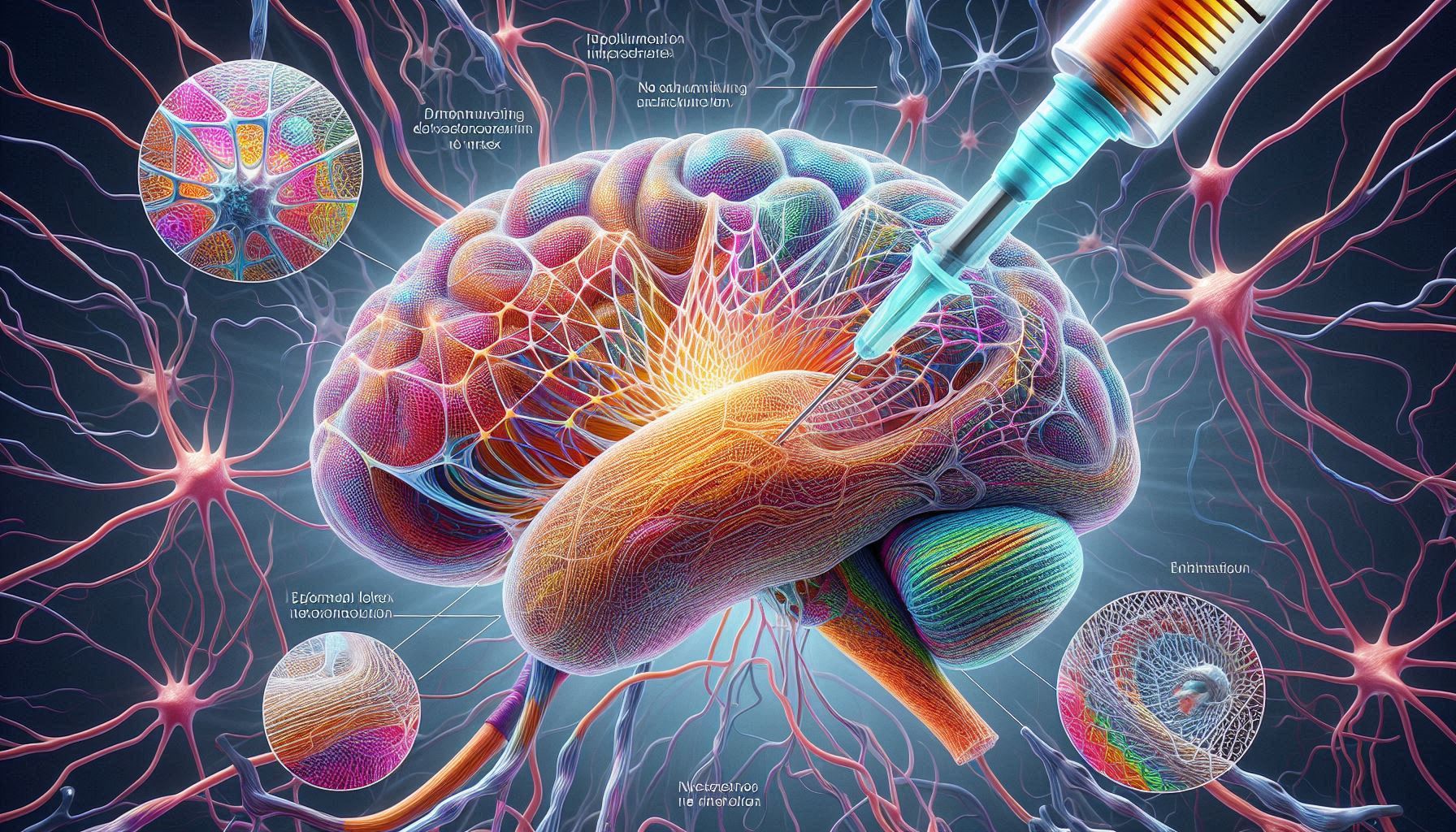
Once in place, neural lace technology enables two-way communication between the brain and external machines. Neural signals generated by neurons are detected by the embedded electrodes and transmitted to external processors, where they can be interpreted by software or AI systems. In the opposite direction, digital signals can be converted into electrical impulses and delivered back into specific neural circuits, effectively allowing information to flow into the brain.
When compared to traditional BCIs, the advantages of neural lace become clearer. Conventional BCIs often read signals from limited brain regions and suffer from signal noise or degradation over time. Neural lace, by distributing sensors throughout neural tissue, could offer higher resolution, greater stability, and more natural interaction. This makes how neural lace works fundamentally different from existing brain–computer interface models.
In essence, neural lace technology represents a shift from external control devices to deep neurological integration. While still largely experimental, the science behind neural lace suggests a future where the boundary between the human brain and digital systems becomes increasingly seamless.
Key Applications of Neural Lace (Real & Potential)
The excitement around neural lace goes far beyond theory. While much of the technology is still experimental, the neural lace applications being explored today point toward transformative changes in medicine, computing, and human cognition. The potential neural lace benefits span both therapeutic and enhancement-based uses.
🧠Medical & Therapeutic Uses
One of the most promising neural lace applications lies in treating neurological and motor disorders. Conditions such as Parkinson’s disease, epilepsy, spinal cord injuries, and paralysis are often caused by disrupted neural signaling rather than irreversible tissue damage. Neural lace could help restore these disrupted pathways by directly interfacing with affected neural circuits.
By reading abnormal neural signals and delivering corrective stimulation, neural lace may provide more precise treatment than traditional deep brain stimulation. Unlike rigid implants, its flexible design allows long-term integration with minimal tissue damage. This makes the medical neural lace benefits especially compelling for chronic neurological conditions.
Another major area is brain-controlled prosthetics. Neural lace could enable amputees or paralyzed patients to control prosthetic limbs using thought alone, with far greater accuracy and natural feedback than current technologies. Sensory assistance — such as restoring touch, vision, or hearing — may also become possible by sending artificial sensory information directly into the brain.
💻Human–Computer Interaction
Beyond medicine, neural lace could redefine how humans interact with technology. One of the most discussed neural lace applications is the ability to control digital devices directly with thought, eliminating the need for keyboards, screens, or physical interfaces.
In theory, neural lace could allow users to type, navigate software, or control smart environments simply by intending an action. This form of interaction would be faster and more intuitive than current input methods, representing a major neural lace benefit for accessibility and productivity.
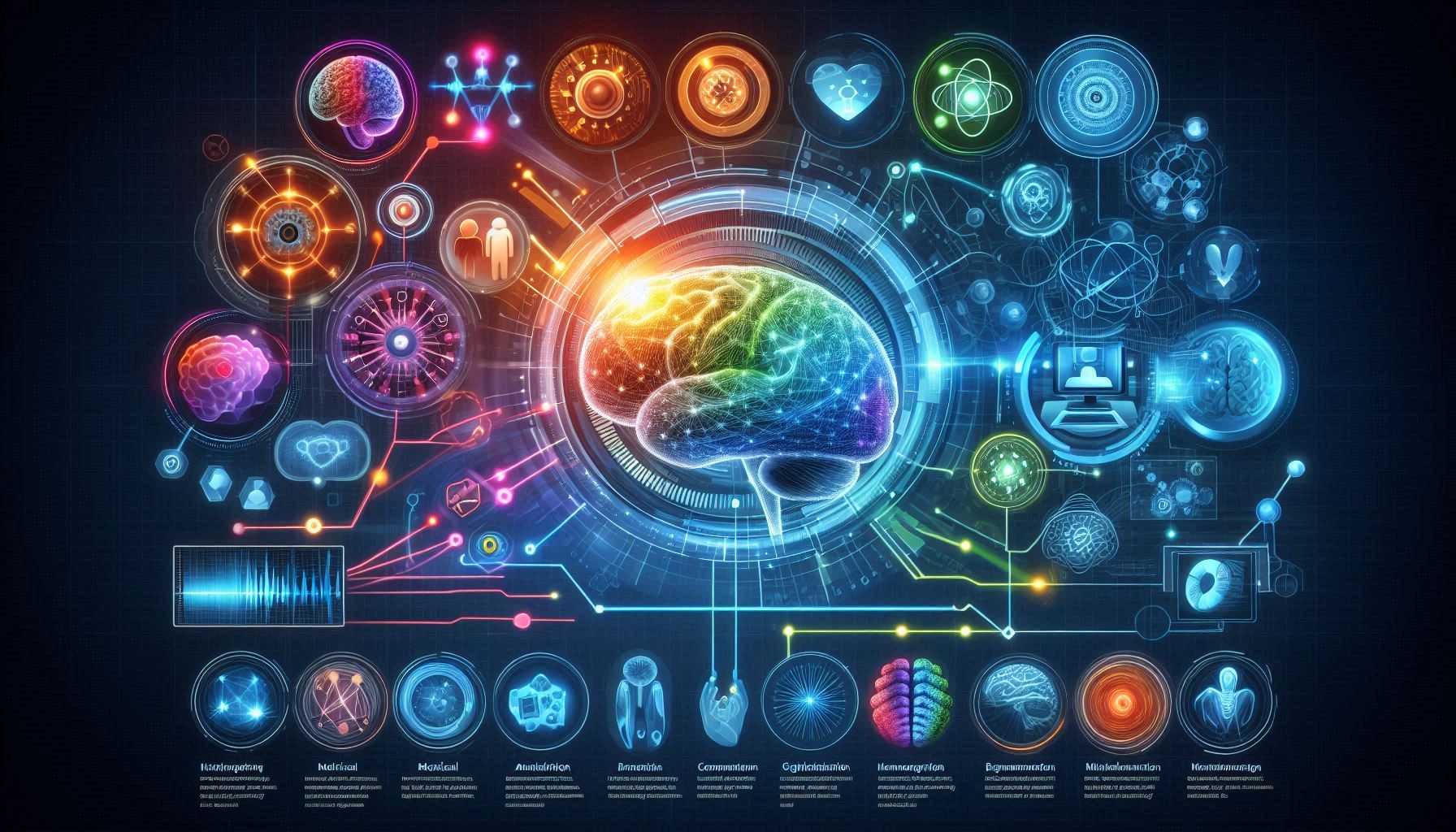
More speculative possibilities include telepathy-like communication, where thoughts or concepts are transmitted between individuals via neural interfaces. While this remains theoretical, the idea illustrates the transformative potential of direct brain-to-brain or brain-to-machine communication enabled by neural lace technology.
🧠Cognitive Enhancement
Perhaps the most controversial neural lace applications involve cognitive enhancement. Neural lace could act as a memory aid, storing or retrieving information more efficiently by interfacing with neural memory systems. This could help patients with memory loss — and potentially enhance memory capacity in healthy individuals.
Another proposed neural lace benefit is accelerated learning. By optimizing neural pathways or delivering targeted stimulation during learning processes, neural lace might reduce the time required to acquire new skills or knowledge.
Sensory augmentation is also a possibility. Neural lace could enable humans to perceive information beyond natural senses — such as infrared signals, ultrasonic data, or digital overlays — directly through neural input. These applications blur the line between therapy and enhancement, raising important ethical questions explored later in the article.
Neural Lace vs Brain-Computer Interface
To understand why neural lace is considered revolutionary, it helps to compare it with existing technologies. The debate around neural lace vs brain-computer interface centers on how deeply and naturally technology can integrate with the brain.
Traditional brain–computer interfaces (BCIs) typically rely on external headsets or rigid implanted electrodes that interact with limited brain regions. These systems often face challenges such as signal noise, limited bandwidth, and gradual performance degradation over time.
In contrast, neural lace is considered the next generation of BCIs because of its flexible, mesh-like design. It integrates more evenly with neural tissue, allowing broader coverage and potentially higher signal resolution. This deeper integration is a key reason the neural lace vs brain-computer interface comparison favors neural lace for long-term, high-performance applications.
Another major difference lies in bandwidth. Conventional BCIs capture relatively small amounts of neural data. Neural lace, by interfacing with large neural populations simultaneously, could dramatically increase data throughput between the brain and machines.
Finally, there is a distinction between current research and future potential. While traditional BCIs are already in limited clinical and experimental use, neural lace remains largely conceptual. However, as materials science, nanotechnology, and neuroscience advance, neural lace is increasingly viewed as the long-term evolution of brain–computer interfaces.
In summary, the neural lace vs brain-computer interface comparison highlights a shift from external control tools toward seamless neurological integration — a shift that could redefine human–machine interaction.
Major Players & Real-World Research
Although neural lace began as a theoretical and science-fiction concept, real-world research has accelerated rapidly in recent years. Today, multiple organizations and research labs are actively working on technologies that resemble or move toward practical neural lace systems. This growing ecosystem gives credibility to ongoing neural lace research and signals that the concept is no longer purely speculative.
One of the most widely recognized names in this space is Neuralink. Founded with the goal of developing high-bandwidth brain–machine interfaces, Neuralink focuses on implantable devices capable of reading and stimulating neural activity. While its current implants are not full neural lace systems, they represent a significant step toward dense, flexible neural interfaces. Neuralink has already conducted animal studies and initiated early human trials, marking an important milestone in applied neural lace research.
Beyond Neuralink, several academic institutions and independent research teams are pushing the boundaries of mesh-based neural technologies. University labs are experimenting with injectable electronic meshes, ultra-flexible electrodes, and biocompatible neural scaffolds designed to integrate seamlessly with brain tissue. These efforts, often highlighted in scientific and medical research platforms, demonstrate that progress in neural lace companies and academic labs is happening in parallel.
Looking at the broader timeline, early progress focused on understanding biocompatibility and signal stability. More recent milestones include improved implantation techniques, higher signal resolution, and safer long-term integration. While a fully functional neural lace is still years away, the steady pace of breakthroughs suggests that neural lace research is following a realistic, incremental path rather than an unrealistic technological leap.
Benefits, Risks, & Ethical Questions
As with any technology that interfaces directly with the human brain, neural lace presents both extraordinary promise and serious concerns. Addressing neural lace benefits and risks openly is essential — not just for public trust, but also for responsible innovation.
Benefits
One of the most compelling neural lace benefits and risks discussions begins with its medical potential. Neural lace could help treat neurological diseases by restoring or compensating for damaged neural pathways. Conditions such as paralysis, epilepsy, and neurodegenerative disorders may benefit from more precise and adaptive neural stimulation than current treatments allow.
Another major benefit is improved human–machine integration. Neural lace could enable faster, more intuitive interaction with computers, prosthetics, and digital environments. By reducing the friction between intention and action, neural lace could dramatically enhance productivity, accessibility, and quality of life.
Neural lace may also enable new forms of communication, including thought-based interaction with machines or even other humans. While speculative, this possibility illustrates how neural lace could reshape communication beyond language and physical interfaces.
Risks & Challenges
Despite these benefits, the neural lace benefits and risks equation includes serious challenges. Surgical implantation carries inherent risks, including infection, tissue damage, and immune response. Even with biocompatible materials, long-term safety remains uncertain, particularly as the brain changes over time.
Privacy and data security represent another major concern. Neural lace systems would generate highly sensitive brain data — potentially revealing thoughts, emotions, or behavioral patterns. Without strong safeguards, such data could be misused, raising ethical questions about surveillance and cognitive autonomy.
There are also broader societal risks. Advanced neural technologies may initially be expensive and accessible only to a small segment of the population, potentially increasing inequality. If neural enhancements become widespread, society may face new forms of cognitive advantage or pressure to adopt brain-augmenting technologies.
Why Ethics Cannot Be an Afterthought
Addressing neural lace benefits and risks is not just a technical issue — it is a societal one. Ethical frameworks must evolve alongside the technology, ensuring that innovation does not outpace regulation, consent, and human values. Transparent research practices, clear data ownership rules, and equitable access will be essential as neural lace moves closer to reality.
Challenges & Limitations — Why It’s Not Here Yet
Despite rapid progress in brain–computer interfaces, neural lace technology is still not available for everyday use. Understanding the neural lace challenges helps explain why this technology remains in the research phase rather than in consumer or clinical deployment.
One of the biggest neural lace future obstacles is technical complexity. A neural lace must operate continuously inside the brain, which creates challenges related to power supply, longevity, and signal clarity. Powering ultra-thin implants without generating heat or requiring frequent surgical replacement is a major unresolved issue. At the same time, neural signals are extremely subtle, and maintaining clean, interference-free communication over long periods is far more difficult than early prototypes suggest.
Longevity is another critical challenge. The brain is a dynamic environment — neurons move slightly, tissue regenerates, and immune responses evolve. Even highly flexible materials can degrade or lose signal quality over time. Ensuring that a neural lace remains stable and functional for decades is one of the most difficult neural lace challenges researchers face.
Beyond engineering hurdles, regulatory barriers slow progress. Implantable brain technologies must pass strict safety and efficacy evaluations from agencies such as the FDA. These approval processes take years and require extensive human trials. While this caution is necessary, it significantly delays real-world deployment and adds to the list of neural lace future obstacles.
Public acceptance is another often overlooked limitation. Many people are uncomfortable with the idea of permanent brain implants, fearing loss of autonomy, identity, or mental privacy. Without widespread trust and understanding, even technically successful neural lace systems may struggle to gain adoption.
Finally, data privacy remains a fundamental concern. Neural lace systems could generate deeply personal neural data, raising questions about who can access it, how it is stored, and whether it could be exploited. These unresolved privacy risks are among the most serious neural lace challenges preventing broader implementation.
Future Predictions & What Comes Next
While neural lace is not yet a practical reality, the neural lace future is becoming clearer as research advances. Over the next 5–10 years, progress is likely to be gradual but meaningful, with breakthroughs appearing first in medical and therapeutic applications rather than consumer enhancement.
In the near term, researchers are expected to focus on improving safety, biocompatibility, and long-term stability. Early versions of neural lace-like systems may be used to treat paralysis, restore sensory function, or assist patients with severe neurological conditions. These medical use cases will likely shape the early future of brain-computer interfaces.
Artificial intelligence will play a major role in the neural lace future. AI models can help decode complex neural signals, adapt to individual brain patterns, and improve real-time communication between the brain and external devices. As AI becomes more capable, it will reduce the need for perfectly precise hardware by compensating through intelligent signal interpretation.
Ethics and regulation will also evolve alongside the technology. Governments and scientific bodies are beginning to recognize the need for new rules around neural data ownership, cognitive privacy, and informed consent. The future of brain-computer interfaces will depend not only on technological breakthroughs but also on how well societies establish ethical boundaries.
In the long run, neural lace could shift from a medical tool to a broader human-machine interface — but only if safety, trust, and fairness are addressed first. Rather than an overnight revolution, the neural lace future is more likely to unfold through carefully controlled steps that balance innovation with responsibility.
Conclusion — What This Means for Humanity
Neural lace technology represents one of the most ambitious ideas at the intersection of neuroscience, engineering, and artificial intelligence. At its core, it aims to create a seamless bridge between the human brain and machines — not to replace human intelligence, but to extend our ability to heal, communicate, and understand the mind.
Throughout this article, we explored what neural lace technology is, how it works, Neural lace applications, and the significant Neural lace future and challenges that still stand in the way. While early research shows promise — especially in medical and therapeutic contexts — neural lace is far from becoming a mainstream or consumer-ready technology. Technical limitations, long-term safety concerns, ethical risks, and regulatory barriers ensure that progress will be cautious rather than explosive.
It’s important to set realistic expectations. Neural lace Technology is not about instant superhuman intelligence or mind-reading devices. Instead, its most meaningful impact may come from helping people regain lost abilities, improving treatment for neurological disorders, and advancing our understanding of how the brain functions at a deeper level. The future of neural lace will likely unfold in controlled stages, guided by science rather than hype.
For humanity, this technology raises profound questions — not just about what we can do, but what we should do. How we handle privacy, consent, and access will determine whether neural lace becomes a tool for empowerment or a source of new inequality.
If you’re fascinated by the future of brain-computer interfaces and emerging technologies, this is only the beginning. Consider subscribing for more deep dives into AI, neuroscience, and the technologies shaping our future — or explore related articles linked below to continue your journey.
🔗 Explore More Mind-Bending Brain Tech
If you enjoyed learning about neural lace technology, take your curiosity further by exploring next-generation innovations shaping the future of the human mind and intelligence:
👉 Organoid Intelligence — lab-grown brain models that could power biological computing
👉 Neurograins — tiny wireless neural sensors enabling advanced brain-machine communication
👉 Brain-Computer Interface (BCI) — how humans already control machines using thoughts
👉 Mind Reading Technology — the science and ethics of decoding neural signals
These deep dives will give you a broader understanding of connectomics, neural communication, and the future of intelligence beyond silicon. 🚀
FAQ
Is neural lace real?
Neural lace is a real research concept, but it is not yet fully realized or commercially available. Current studies and experimental implants represent early steps toward the idea, mainly in medical research and brain-computer interface development.
How will neural lace change the future?
If developed safely and ethically, neural lace could transform medical treatment for neurological disorders, improve brain-machine communication, and deepen our understanding of the human mind. Its broader societal impact will depend on regulation, public trust, and responsible use.
Is neural lace safe?
At present, long-term safety is still unknown. Implanting technology in the brain carries risks related to surgery, immune response, and data security. This is why neural lace technology remains in experimental and clinical research stages.